Ever wondered how the ancient world viewed its sprawling empires and distant lands? A Hellenistic map offers a fascinating glimpse into this very question. These historical documents, crucial for navigation and knowledge in antiquity, continue to trend among history enthusiasts and scholars in the United States. Exploring a Hellenistic map today unveils not just geographical boundaries but also the scientific and philosophical advancements of an era. From understanding early attempts at measuring Earth's circumference to depicting trade routes that connected diverse cultures, these maps hold immense informational potential. Their study helps us appreciate the foundational cartographic principles that eventually shaped modern mapping techniques. Dive into the world of ancient cartography and discover the rich heritage a Hellenistic map represents, offering insights into how ancient societies perceived their known world and beyond, making them a captivating subject for any curious mind.
What is the Hellenistic map?
A Hellenistic map refers to geographical representations created during the Hellenistic period (323-31 BC). These maps depict the known world, showcasing Greek scientific thought and observational data to illustrate vast empires, trade routes, and a significant leap in ancient cartography from earlier, more mythical representations, reflecting how ancient societies perceived their global expanse and connections.
Who made the first Hellenistic maps?
While no single individual created 'the first' Hellenistic map, Eratosthenes of Cyrene (c. 276-195 BC) is considered a key figure. He significantly advanced cartography by applying scientific methods, including calculating Earth's circumference and proposing a system of latitudes and longitudes, profoundly influencing the development and accuracy of a Hellenistic map.
How did Hellenistic cartography differ from earlier mapmaking?
Hellenistic cartography distinguished itself by adopting a more scientific and mathematical approach. Unlike earlier, more descriptive or mythical maps, a Hellenistic map emphasized astronomical observations, attempts to measure Earth's dimensions, and the creation of coordinate systems. This shift provided a more systematic and less speculative portrayal of geography, laying groundwork for future advancements.
What was Eratosthenes' contribution to Hellenistic mapping?
Eratosthenes' contribution to Hellenistic mapping was monumental. He famously calculated the Earth's circumference with remarkable accuracy using geometric principles and sun shadow measurements. Furthermore, he proposed a systematic grid of lines of latitude and longitude, fundamentally transforming mapmaking from artistic representation to a more precise, scientific endeavor, making every Hellenistic map more reliable.
Where did Hellenistic mapmakers get their information?
Hellenistic mapmakers gathered information from diverse sources. They relied on accounts from military expeditions, extensive merchant travels, and detailed coastal navigation records. Scholars at institutions like the Library of Alexandria also synthesized geographical texts, historical records, and astronomical observations, all contributing to the comprehensive data used in creating a Hellenistic map.
Why are Hellenistic maps important today?
Hellenistic maps are vital today because they offer profound insights into ancient scientific achievement and worldview. They demonstrate early efforts to systematically chart the world, revealing the intellectual foundations of modern geography and cartography. Studying a Hellenistic map helps us understand historical trade, political boundaries, and the human drive for exploration and knowledge, shaping our understanding of global history.
What major empires are shown on a Hellenistic map?
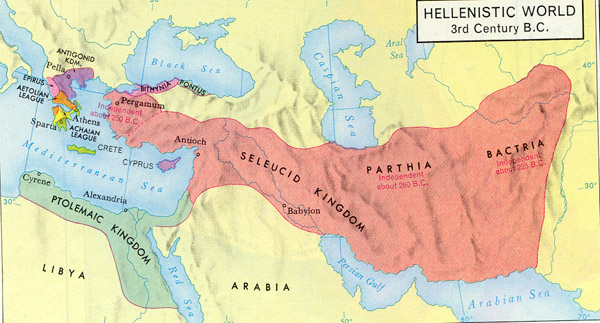
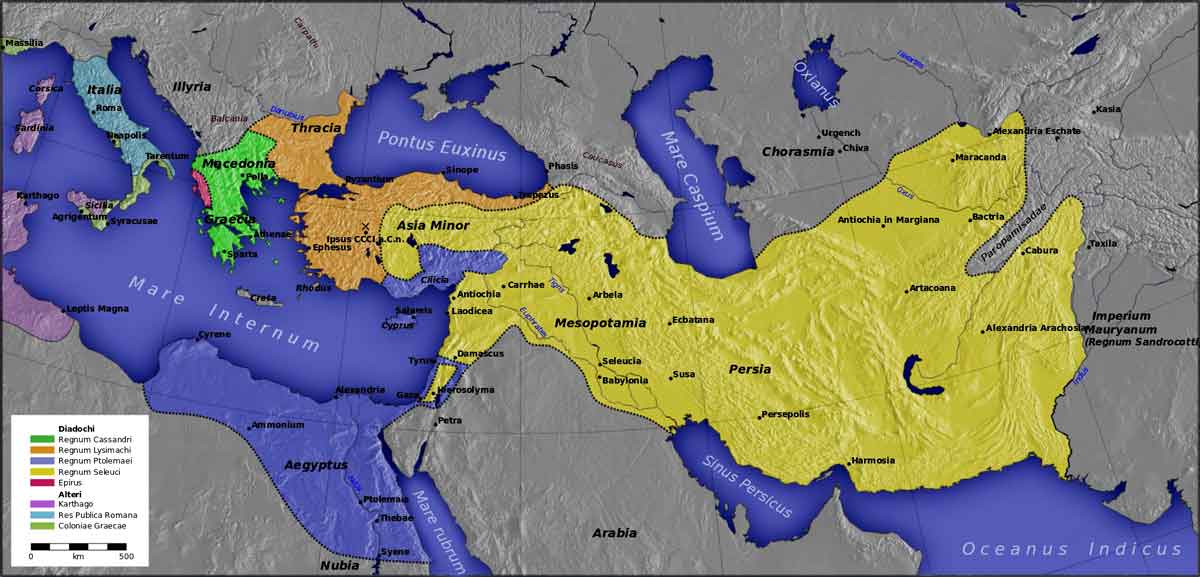
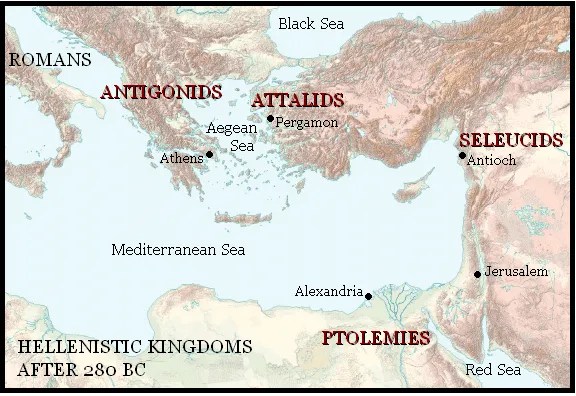
A Hellenistic map typically shows the vast empires that emerged after Alexander the Great's death. These include the Seleucid Empire (covering much of Asia), Ptolemaic Egypt (North Africa), and Antigonid Macedonia (Greece). Other regions like parts of the Roman Republic, Carthaginian territories, and lands extending towards India are also depicted, reflecting the era's complex geopolitical landscape.
When you gaze upon a Hellenistic map, you're not just seeing old lines on parchment. You're peering into the ancient world's very soul. This historical marvel represents how people from roughly 323 BC to 31 BC understood their universe. It shows us their trade routes, their empires, and their impressive scientific endeavors. These maps tell a story of exploration, knowledge, and power, revealing the known world of Alexander the Great's successors. They stand as a testament to early human curiosity and mapping ingenuity, influencing future cartographers for centuries.
Understanding a Hellenistic map today is incredibly rewarding for history buffs across the USA. These artifacts are more than mere visuals; they are windows into ancient geopolitical structures. They reveal how Hellenistic kingdoms interacted and expanded their influence. Imagine the journeys guided by these early charts, connecting distant lands and cultures. The study of Hellenistic map making helps us trace the roots of modern geography. It is a powerful reminder of how ancient scholarship shaped our world.
The Hellenistic Map and Its Place in History
A Hellenistic map provides a rich tapestry of the ancient Mediterranean and beyond. During this era, Greek culture spread widely after Alexander's conquests. This led to an explosion of scientific and geographical knowledge. Mapmakers began to incorporate more precise astronomical observations and travel accounts. The desire to navigate vast new territories spurred significant cartographic advancements. These maps were vital tools for administrators, traders, and military leaders of the time.
The Evolution of Hellenistic Map Making
The creation of a Hellenistic map wasn't an overnight process; it evolved significantly. Early maps were often schematic and focused on coastal features. As knowledge expanded, fueled by expeditions and library research, maps became more sophisticated. Scholars like Eratosthenes introduced scientific methods, attempting to measure the Earth's circumference. This groundbreaking work transformed how the world was perceived and drawn. His efforts demonstrated an early commitment to accurate geographical representation.
Key Figures in Hellenistic Map Creation
Many brilliant minds contributed to the Hellenistic map tradition. Eratosthenes of Cyrene, serving as chief librarian at Alexandria, was pivotal. He famously calculated Earth's circumference with impressive accuracy. Claudius Ptolemy, though later, synthesized much Hellenistic knowledge in his 'Geography.' His work included detailed instructions for drawing maps. These figures laid down principles that would define cartography for over a thousand years. Their legacy continues to influence our understanding of ancient geography.
What Others Are Asking?
What exactly is a Hellenistic map?
A Hellenistic map refers to geographical representations created during the Hellenistic period, from Alexander the Great's death (323 BC) to the rise of the Roman Empire (31 BC). These maps depict the known world, incorporating Greek scientific thought and observational data to illustrate vast empires and trade routes, reflecting a significant leap in ancient cartography from earlier, more mythical representations.
Who were the most influential Hellenistic mapmakers?
Eratosthenes of Cyrene stands out as a paramount figure in Hellenistic mapmaking. Serving at the Library of Alexandria, he pioneered a scientific approach, notably calculating the Earth's circumference and proposing a grid system of latitudes and longitudes. While not strictly Hellenistic, Claudius Ptolemy later built extensively on this Hellenistic foundation, synthesizing much of the era's geographical knowledge in his influential 'Geography.'
How did a Hellenistic map influence later cartography?
A Hellenistic map, particularly through figures like Eratosthenes and the later compilation by Ptolemy, profoundly shaped subsequent cartographic traditions. Their emphasis on mathematical principles, astronomical observation, and a structured grid system for location became foundational. This scientific approach was rediscovered and highly influential during the Renaissance, directly impacting European explorers and mapmakers for centuries.
What geographical regions did a typical Hellenistic map cover?
A typical Hellenistic map primarily covered the Mediterranean basin, the Near East, and parts of Asia following Alexander's conquests, extending to India. They depicted the newly established Hellenistic kingdoms, such as the Seleucid Empire, Ptolemaic Egypt, and Antigonid Macedonia. Early maps often centered on the Mediterranean, expanding as geographical knowledge from trade and military expeditions grew.
Why are Hellenistic maps considered revolutionary?
Hellenistic maps are revolutionary because they moved beyond mythical and purely descriptive geography toward a more scientific, mathematical, and empirical approach. Key innovations included attempting to determine Earth's size, using astronomical observations for latitude, and creating coordinate systems. This shift laid the groundwork for modern cartography, emphasizing precision and systematic data collection over mere artistic representation.
What role did the Library of Alexandria play in Hellenistic mapmaking?
The Library of Alexandria was a central hub for Hellenistic scholarship, including mapmaking. It housed a vast collection of travel accounts, geographical texts, and astronomical observations. Scholars like Eratosthenes utilized these resources and the intellectual environment of the Library to conduct groundbreaking research in cartography, making it an indispensable institution for the advancement of a Hellenistic map.
FAQ About the Hellenistic Map
What is the Hellenistic map?
The Hellenistic map is a geographical representation from 323-31 BCE, reflecting the ancient world's understanding of its known territories. It showcases the scientific advancements and empires of the era, moving towards a more systematic depiction of geography.
Who created the first Hellenistic map?
While no single creator made 'the first' Hellenistic map, Eratosthenes of Cyrene is credited with significantly advancing cartography during this period. He applied scientific methods, including calculating Earth's circumference, profoundly influencing Hellenistic map design.
Why are Hellenistic maps important today?
Hellenistic maps are important because they reveal ancient intellectual achievements and how early civilizations perceived their world. They offer crucial insights into historical geography, trade, and the scientific foundations of modern mapping, making them invaluable for research.
How did Hellenistic mapmakers gather their information?
Hellenistic mapmakers gathered information from various sources. These included accounts from military expeditions, merchant travels, coastal navigation logs, and astronomical observations. They also relied on scholarly reports housed in major libraries, like the renowned Library of Alexandria.
Where can I view a Hellenistic map?
Original Hellenistic maps are incredibly rare due to perishable materials. However, modern reconstructions and scholarly interpretations based on ancient texts and archaeological findings are available. You can find these in museums, academic publications, and digital historical map archives.
Exploring the Wonders of the Hellenistic Map
Diving into the world of a Hellenistic map can be a captivating journey. It’s a chance to connect with the past and see the world through ancient eyes. Think about the incredible ambition to map an entire known world with limited technology. These maps are more than just historical curiosities. They are symbols of human endeavor, showing our timeless drive for discovery and understanding. They remind us that our modern maps stand on the shoulders of these ancient giants.
| Feature | Description | Significance on Hellenistic Map |
| Oikoumene | The 'inhabited world' as understood by ancient Greeks. | Often the central focus, representing known lands. |
| Prime Meridian | Often passed through Rhodes or Alexandria. | Reference point for early longitude calculations. |
| Latitude Lines | Determined using celestial observations (sun's shadow). | Provided vertical positioning, more accurate than longitude. |
| Oceanus | The mythical river encircling the known landmass. | Represented the outer boundary of the world. |
| Trade Routes | Paths connecting major cities and resources. | Indicated economic and cultural connections. |
| Mountain Ranges | Prominent topographical features (e.g., Alps, Caucasus). | Served as natural borders and navigation points. |
| Major Cities | Alexandria, Antioch, Pergamon, Rome. | Centers of power, culture, and commerce. |
A Hellenistic map teaches us about ancient science and the art of observation. It underscores the challenges faced by early cartographers. Despite these challenges, their achievements were monumental. The principles developed during this era, like using coordinates, became fundamental. These ancient maps, therefore, aren't just relics. They are dynamic tools for understanding history and the evolution of human knowledge. They encourage us to appreciate the long, rich story of mapping our world.
The Hellenistic Map in Modern Research
Even in 2026, the Hellenistic map remains a subject of intense academic study. Researchers continually uncover new fragments of texts or archaeological evidence. These findings help to refine our understanding of ancient geographical knowledge. Digital humanities projects are also creating interactive reconstructions. These modern tools allow us to explore a Hellenistic map with unprecedented detail. The ongoing fascination highlights their enduring importance. They offer a unique lens on the interconnectedness of ancient civilizations and their intellectual achievements.
Hellenistic maps provide a unique look into ancient geographical understanding. They showcase early scientific efforts in cartography. These maps highlight vast empires and trade networks. Understanding a Hellenistic map offers insight into classical worldviews. Their study informs modern cartographic history. Key figures like Eratosthenes advanced mapping techniques.
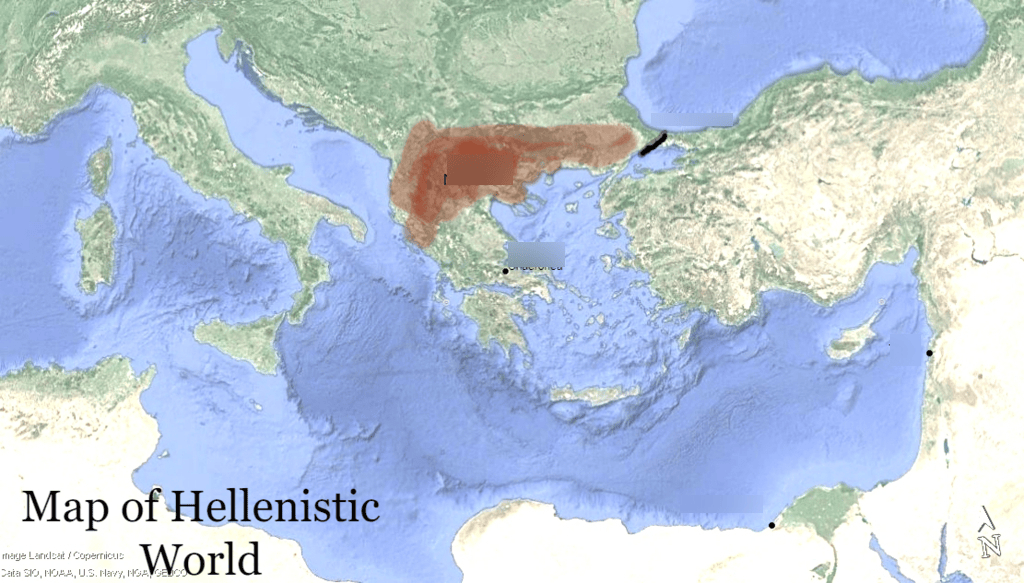


Map Of Hellenistic Diagram Quizlet YoTeVAa9ht ONaRWauR4NQ B . Hellenistic Empire Map Pid000504 Map 2005 01 Hellenistic World Greece And Anatolia . Alexander Lives The Hellenistic World 30 Years After His Reign R . Hellenistic World Hellenistic Map Parthian Empire . Art In The Hellenistic World Map On Behance


Map Kingdoms And Regions Of The Hellenistic Ancient Near East Near Mid000004 Map 2005 01 Hellenistic World Ancient Near East . Hellenistic Empire Map Pid000505 Map 2005 01 Hellenistic World Egypt Levant And Mesopotamia . File Hellenistic Greek MAP Jpg Wikipedia Hellenistic Greek MAP . The Hellenistic World Digital Maps Of The Ancient World Egypt Part World Hellenistic C 188 Bce . Hellenistic Empires 275bce Map Shop U S World History Maps 2b6e0179 D04c 482a B22c


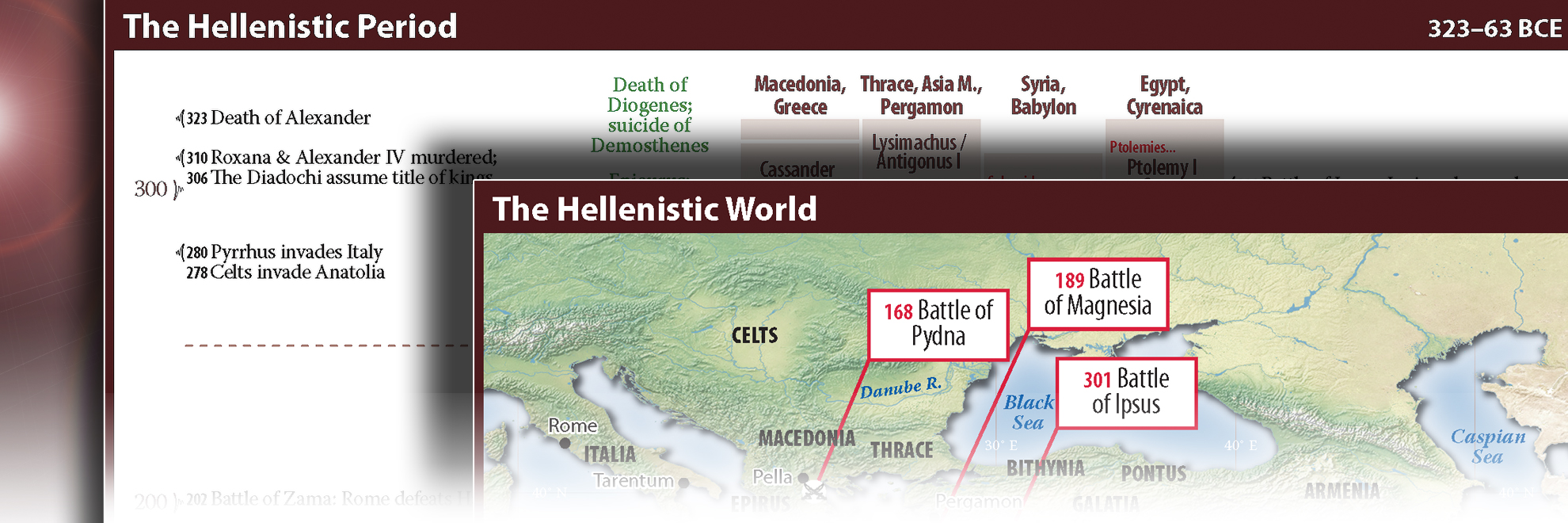
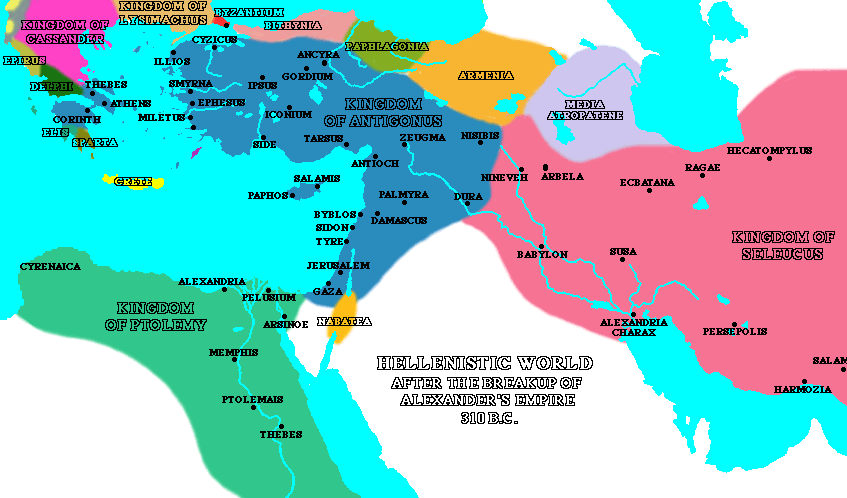
Hellenistic Empire Map . Map Of The Hellenistic World From Greece To Pakistan Ptolemaic Egypt . The Hellenistic World Stock Download Image Now The Hellenistic World . Hellenistic Empire Map 5130000 Hellenistic Period Tml Map Bcrx V2 . Map Of Hellenistic World Map 310bce

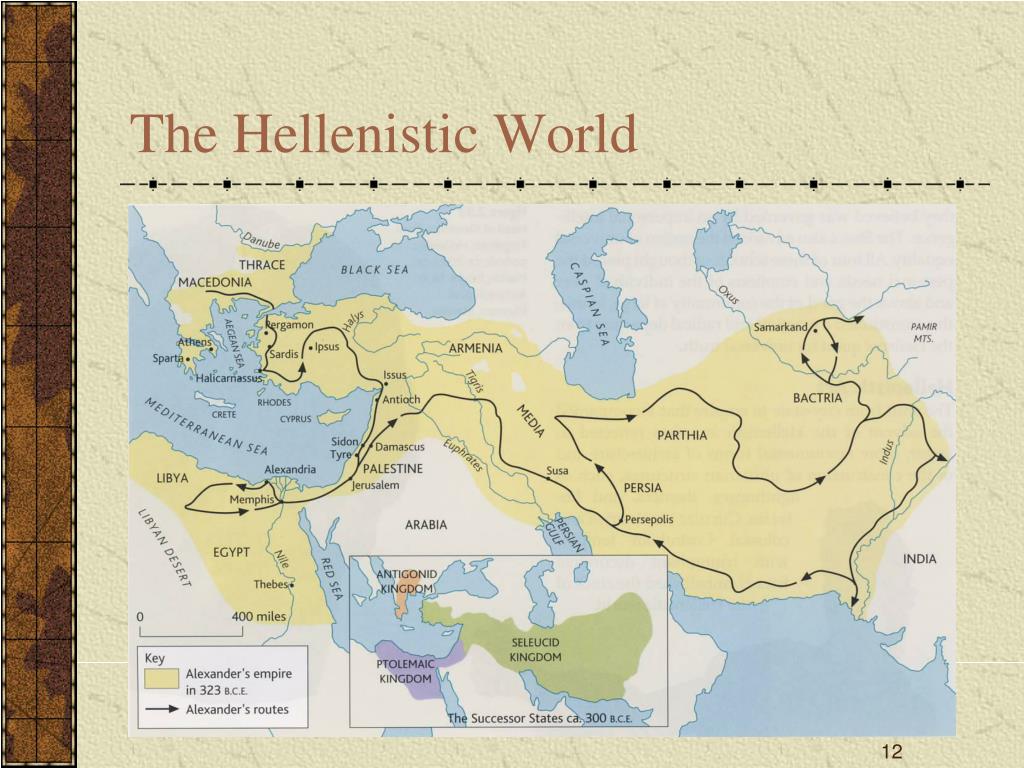


Art Of The Hellenistic Kingdoms From Pergamon To Rome Se N Hemingway . PPT Classical Greek PowerPoint Free The Hellenistic World L . Hellenistic Empire Map Slide 1 . Greek Speaking Areas Of The Hellenistic Era 323 To 31 BC Historical . Hellenistic Astrology World History 14355



This Map Shows The Hellenistic World In 300 BC It Shows A Visual . Map Of The Hellenistic World 3rd Century BC R Map Of The Hellenistic World 3rd Century Bc V0 . Alexander And Hellenism . Hellenistic Greece 323 146 BC Digital Maps Of The Ancient World Map Hellenistic Kingdoms C. 300 Bce With Cities Scaled 1 . What Was The Hellenistic World Like Alexander The Great S Legacy Hellenistic World Map



Hellenistic Ancient World History 6312041 Orig . 539 Bc Of The World Map THE NYSTROM COMPLETE WORLD HISTORY MAP SET . The Hellenic World In Europa 1542 Years After Alexander S Conquest Of The Hellenic World In Europa 1542 Years After Alexanders V0 . Vector Modern Simplified Map Of Greece Modern Simplified Map Of Greece Hellenic Republic Border With Nearest States Bulgaria Turkey And Etc Blue Background Of Seas Names Of Cities And Regions Vector . Map Of The Hellenic Republic In 1936 R Map Of The Hellenic Republic In 1936 V0


Hellenistic Empire Map . Hellenistic Empire Map Karte 02 0 . Mike Anderson S Ancient History Blog Hellenism And Hellenistic Kingdoms . The Macedonian Imprint On The Hellenistic World The Hellenistic World Map . Hellenistic Empire Map