Exploring the map of caucuses provides vital insight into the United States presidential nomination process. Many wonder how these unique events shape our political landscape. This guide offers a comprehensive look at the states that currently utilize caucuses, distinguishing them from traditional primary elections. Understanding the map of caucuses is crucial for citizens aiming to fully engage in their civic duty. We will delve into their historical context, modern application, and the impact on voter participation. Discover why certain states choose caucuses and how they influence candidate selection for the highest office. This information clarifies the nuanced path to presidential nominations across the USA.
What defines a caucus on the US political map?
A caucus is a local meeting of registered party members where they discuss, debate, and vote for presidential candidates. These party-run events are distinct from state-run primary elections. They emphasize direct participation and open deliberation, influencing delegate selection for national conventions. The map of caucuses shows which states employ this unique system.
How do caucuses differ from primaries in the US election system?
Caucuses involve in-person meetings for discussion and public voting, while primaries are private ballot elections run by the state. Caucuses are party-organized, demanding more time and engagement from participants. Primaries offer a simpler, quicker voting process. The map of caucuses identifies states utilizing the more interactive, grassroots approach.
Which states are typically featured on the map of caucuses?
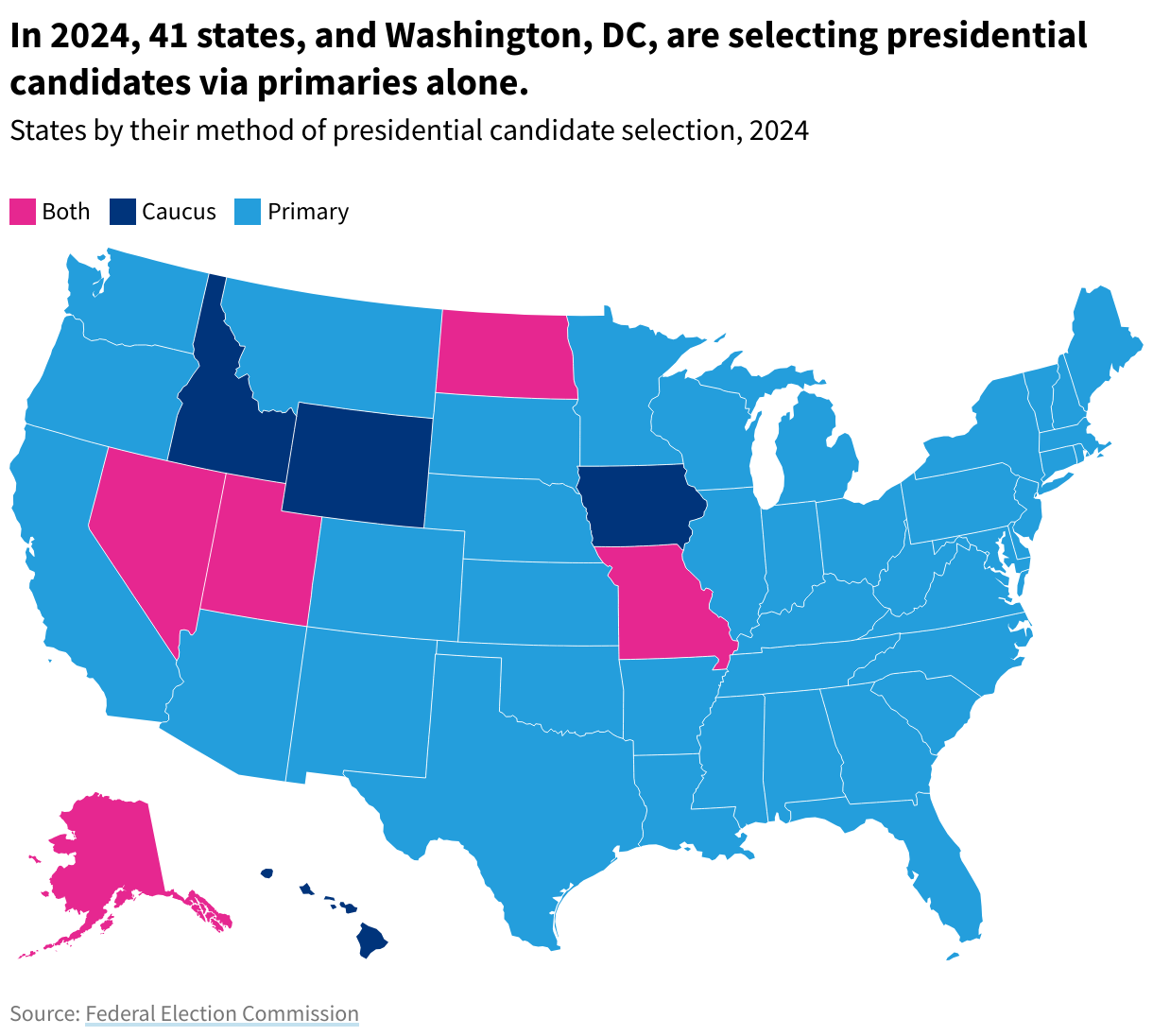
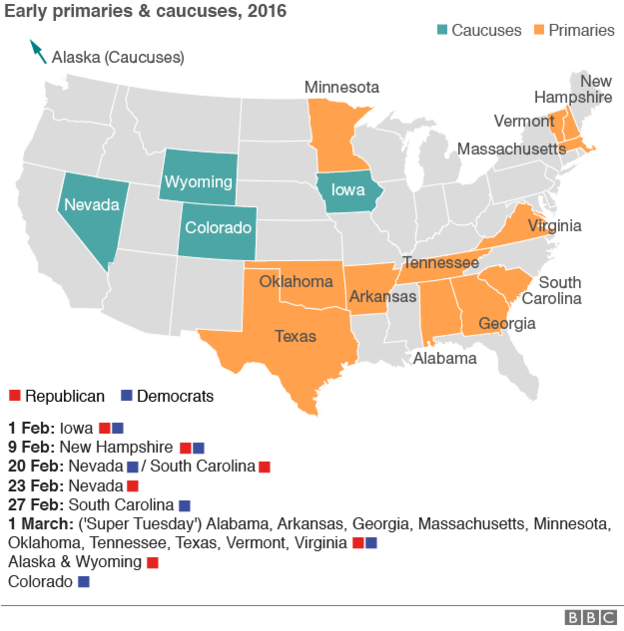
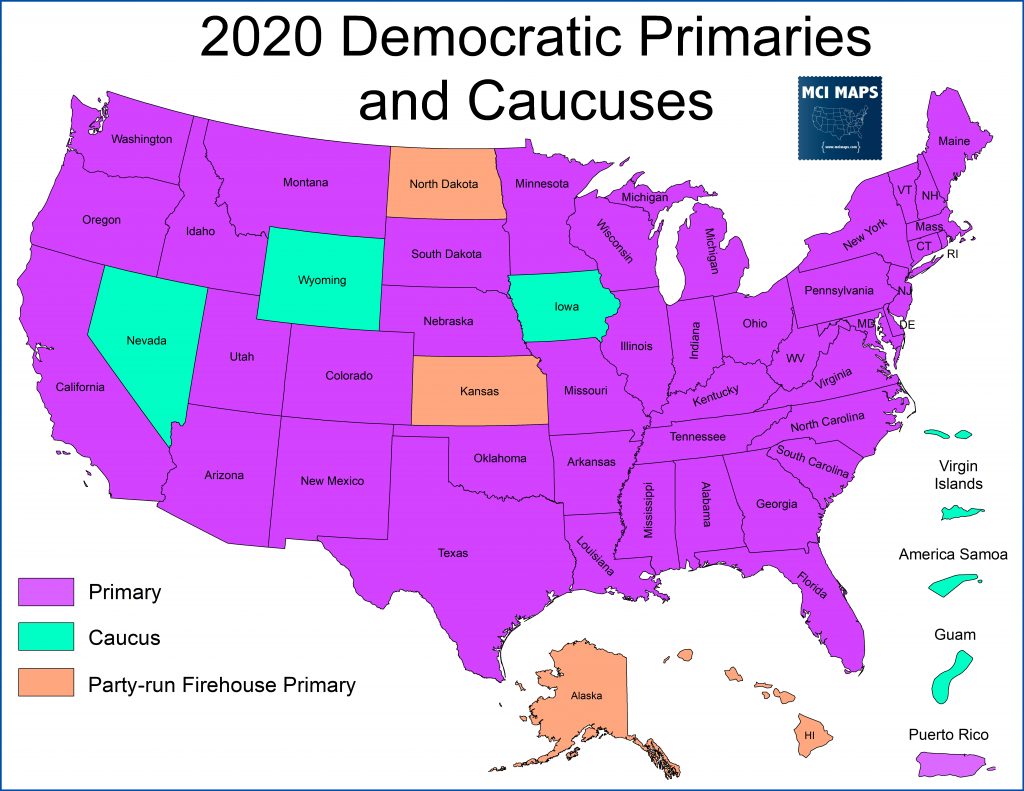
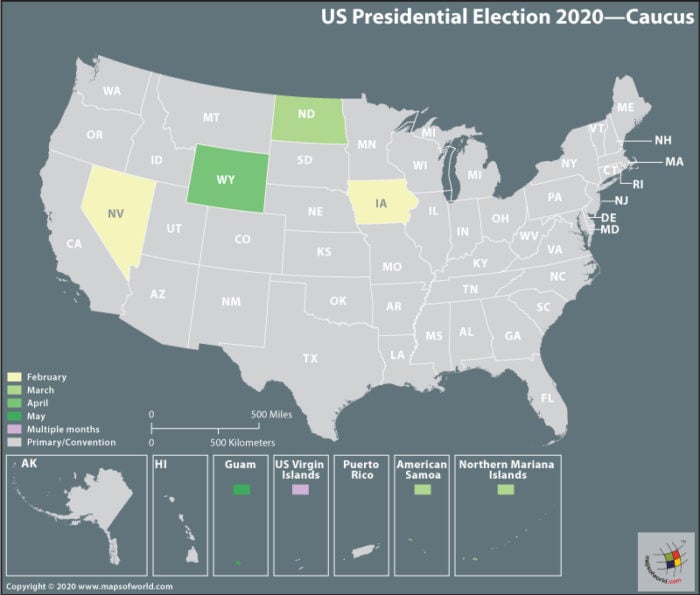
Historically, states like Iowa and Nevada are prominent on the map of caucuses for both major parties. Other states such as Wyoming, North Dakota, and Alaska have also used caucuses for presidential nominations. The specific list can vary in each election cycle, depending on party decisions. Always check the current political calendar.
When do caucuses generally take place during a presidential election year?
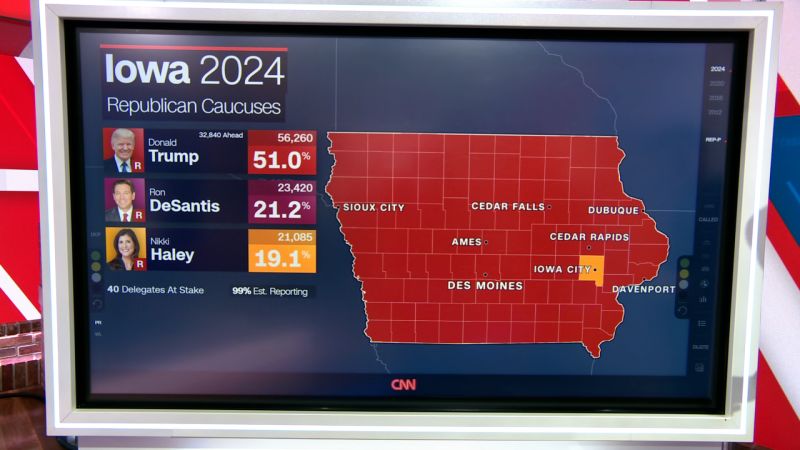
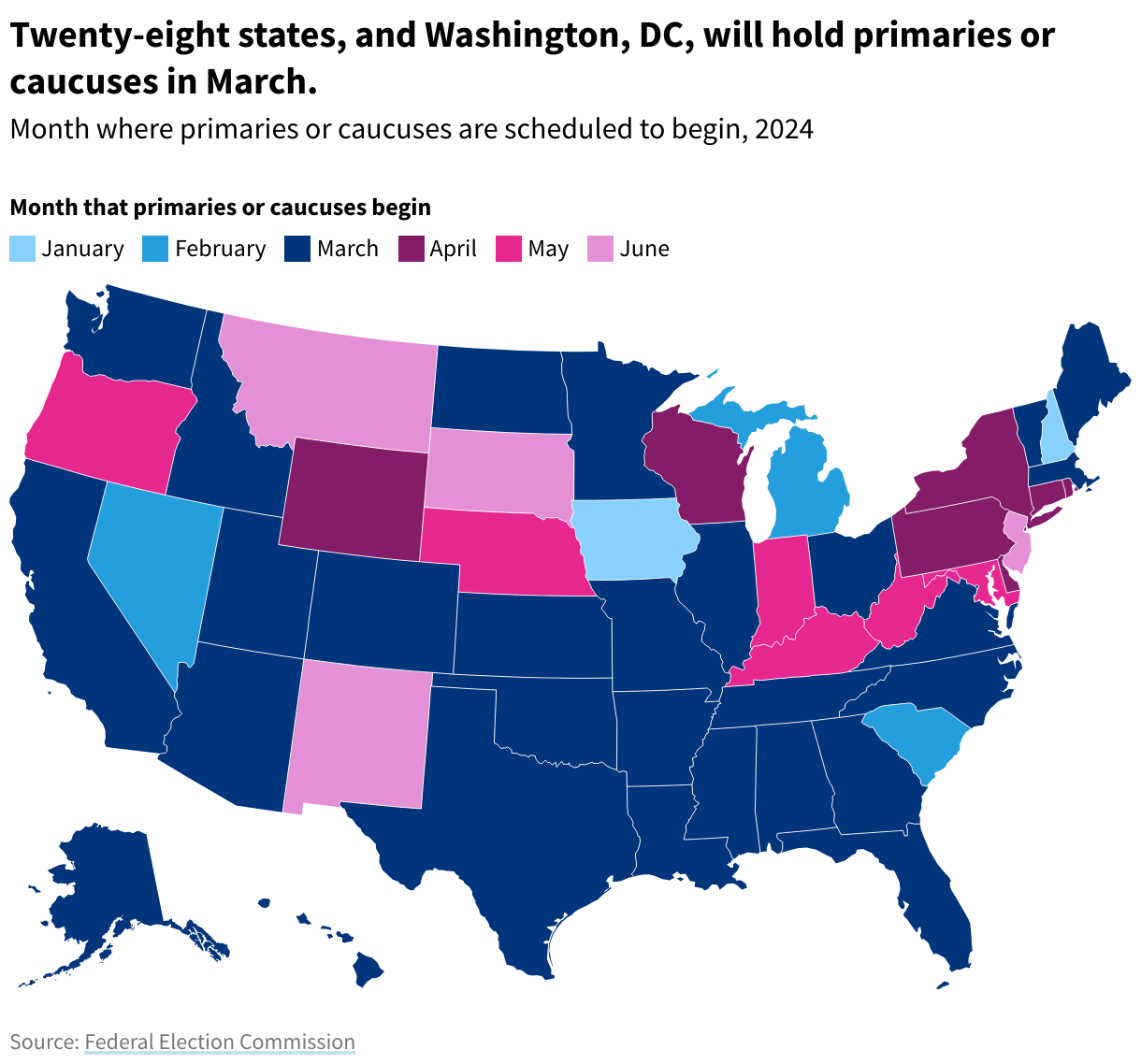
Caucuses typically initiate the presidential nomination process, usually held in January or February of an election year. Iowa's caucus famously kicks off this period, providing the first snapshot of candidate support. Their early timing is strategic for building momentum. They often precede the broader primary season.
Why do some states continue to use caucuses for nominations?
Some states prefer caucuses to foster deeper engagement and build stronger party infrastructure at the local level. Caucuses encourage active participation, discussion, and consensus-building among party members. They empower dedicated activists and provide a rigorous test of a candidate's grassroots organization. It's a method valuing direct party involvement.
What is the strategic importance of the map of caucuses for candidates?
The map of caucuses is strategically vital for candidates as early caucus victories provide significant momentum, media attention, and fundraising boosts. A strong performance signals organizational strength and grassroots appeal. Candidates often invest heavily in these early states to gain an advantage. Success in caucuses can profoundly influence later primary outcomes.
The map of caucuses provides a unique view of how some states kick off the presidential election season. This process involves local party meetings where registered members discuss candidates. They then vote for their preferred choice, often publicly. Caucuses are an early and impactful step in selecting presidential nominees across the United States. They serve as a crucial platform for grassroots political engagement.
These gatherings often shape early media narratives and candidate momentum. Understanding the map of caucuses helps trace the pathway to a party's nomination. It highlights states where active voter participation directly influences outcomes. The unique structure of a caucus contrasts sharply with traditional primary elections.
Understanding the Map of Caucuses in USA Politics
The map of caucuses reveals a distinct method of presidential candidate selection in the USA. Unlike primaries, which are ballot-based, caucuses involve town hall-style meetings. Participants openly debate and declare their support. This intensive, face-to-face engagement builds community within the party. It also offers a different type of vetting process for candidates.
Historically, caucuses were more common. However, many states have shifted to primaries over time. The remaining states on the map of caucuses hold significant influence. Their early results can greatly impact the national political conversation. This system fosters a highly engaged, informed electorate.
Navigating the Caucus Landscape
Navigating the caucus landscape requires understanding local party rules. Each state's caucus process can vary significantly. Some caucuses are binding, directly awarding delegates. Others are non-binding, serving as preference polls. The specific rules are often determined by state party committees. Voter turnout in caucuses tends to be lower than in primaries. However, those who participate are usually highly motivated. This makes their voices very influential in the early stages.
| State | Caucus Status (2024-2026 est.) | Notes |
| Iowa | Democratic Caucus, Republican Caucus | Historically first major contest |
| Nevada | Democratic Caucus, Republican Caucus | Early western state contest |
| Wyoming | Republican Caucus | Often a late caucus state |
| North Dakota | Republican Caucus | Holds a preference poll |
| Alaska | Republican Caucus | Party-run delegate selection |
What Others Are Asking?
What is a caucus in US politics?
A caucus in US politics is a local gathering of registered party members. They meet to discuss candidates and then vote on who they want to nominate. These meetings are often interactive and involve open debate. It is a more engaged, community-based form of political participation. Caucuses help select delegates for state and national conventions.
How do caucuses differ from primary elections?
Caucuses differ from primaries because they are face-to-face meetings, not private ballot votes. Primaries are typically run by state governments, like regular elections. Caucuses are party-run events with specific rules for participation. Voters in primaries simply cast a ballot, while caucus attendees actively deliberate. The level of engagement varies significantly between the two methods.
Which states use caucuses for presidential nominations?
While many states have transitioned to primaries, a few still use caucuses for presidential nominations. Prominent examples include Iowa and Nevada for both parties. Other states like Wyoming, North Dakota, and Alaska may use caucuses for one or both parties. The exact list can change each election cycle based on state party decisions. Always check the current election calendar.
When do caucuses typically occur during an election cycle?
Caucuses typically occur at the very beginning of the presidential election cycle. They often precede the official primary season, starting in January or February of the election year. Iowa traditionally holds the first caucus, setting an early tone for the campaign. These early dates aim to give voters a direct role in the initial candidate selection. Their timing is strategic for candidate momentum.
Why do some states prefer caucuses over primaries?
Some states prefer caucuses over primaries to encourage deeper voter engagement and party building. Caucuses foster community discussion and allow for more direct interaction. They also give party activists a stronger voice in the nomination process. This method ensures that committed party members shape the candidate selection. It is about grassroots organization and direct deliberation.
FAQ About the Map of Caucuses
What is the Map of Caucuses?
The map of caucuses visually represents the states that use caucuses instead of primary elections for presidential nominations. It shows where party members gather to discuss and vote. This map changes with each election cycle. It highlights unique political engagement methods. Understanding it is key to following presidential campaigns.
Who Participates in Caucuses?
Only registered members of a specific political party can participate in that party's caucus. Participants are typically active and engaged voters. They attend local meetings to discuss candidates and cast their votes. This ensures a focused and informed party membership. Caucuses involve more direct interaction than primaries.
Why are Caucuses Used in Some States?
Caucuses are used in some states to promote grassroots involvement and party unity. They allow for detailed discussions about candidates and platforms. This method empowers active party members. It provides a platform for strong internal party democracy. Caucuses strengthen the party organization at a local level.
How Do Caucuses Impact Elections?
Caucuses significantly impact elections by shaping early candidate momentum. Strong showings can boost a candidate's visibility and fundraising. Conversely, poor results can lead to withdrawals. They test a campaign's organizational strength and grassroots appeal. Caucuses are critical early indicators. They often influence later primary results.
Map of Caucuses, US Presidential Nomination Process, Caucus vs Primary, States Using Caucuses, Voter Participation in Caucuses, Election Cycle Caucus Dates, Purpose of Caucus Map, Political Engagement, Nomination Calendar, Delegate Selection
35


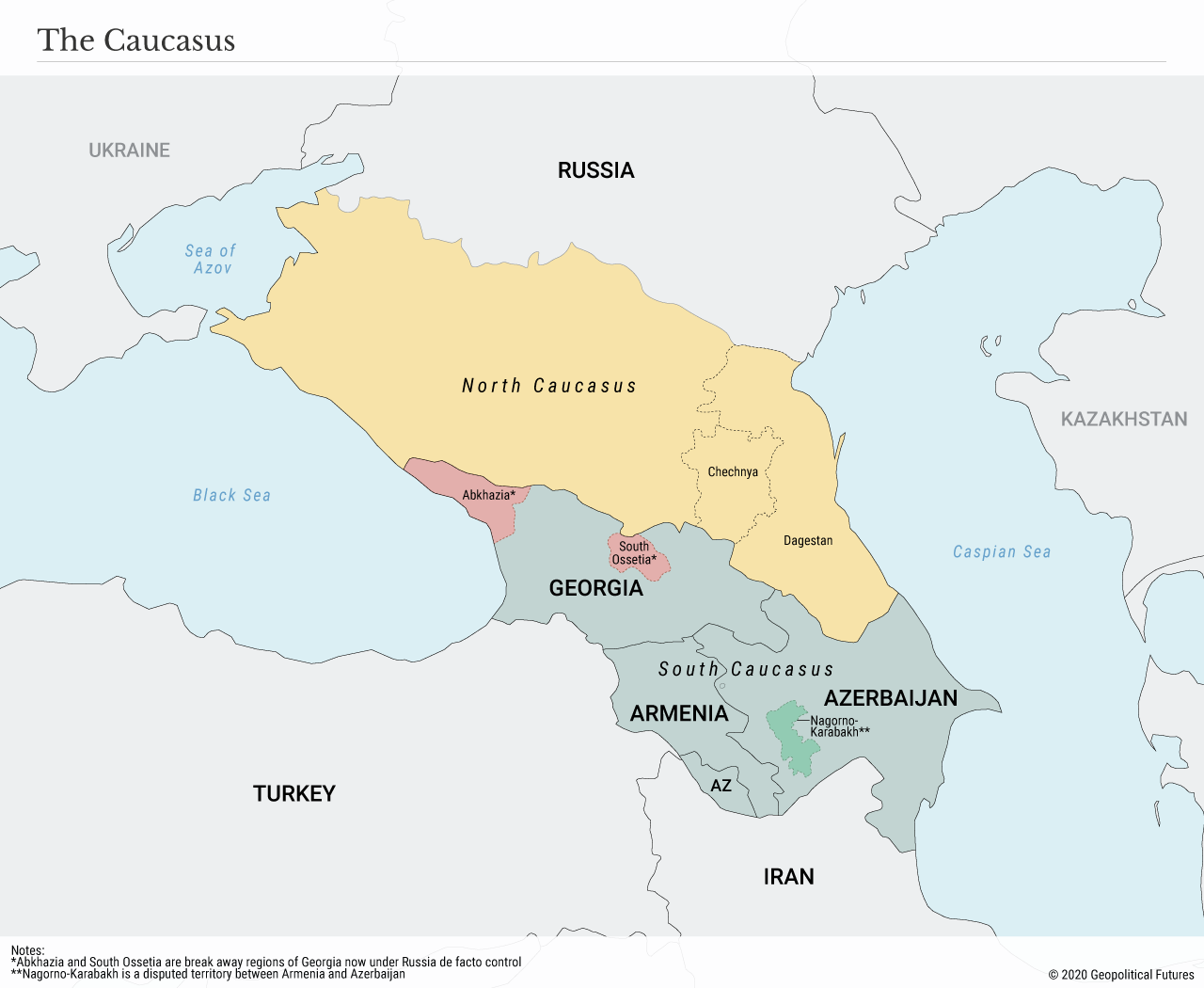
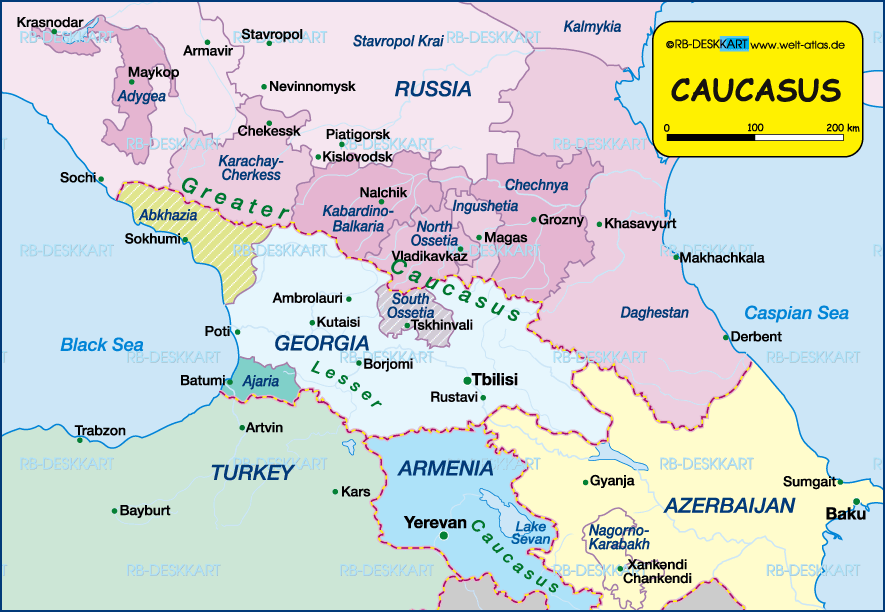
Home Caucasus Region Its Peoples And Cultures Subject Course Caucasus Regions Map . Poster Caucasus Region Detailed Editable Map With Regions Cities And 1000 F 406403018 . Caucasus On Map De Facto States Caucasus 2020 2023 Map . North Caucasus Map N S Caucasus . Map Of Caucasus Politically Region In Several Countries Welt Atlas De Karte 4 966 En
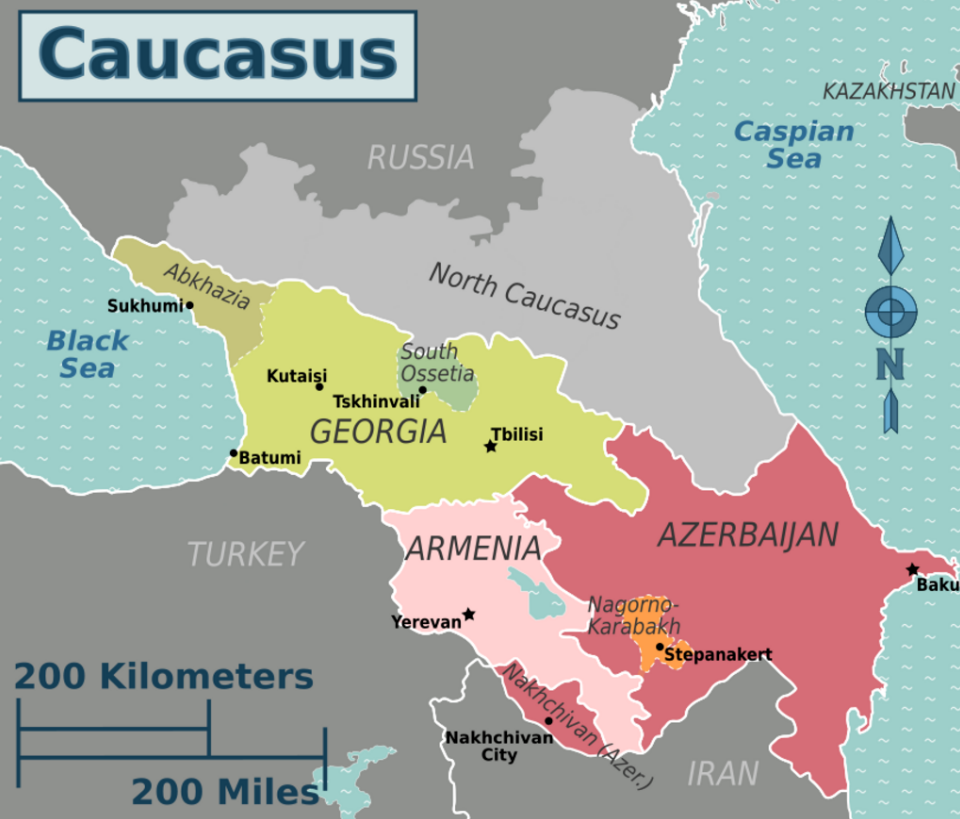
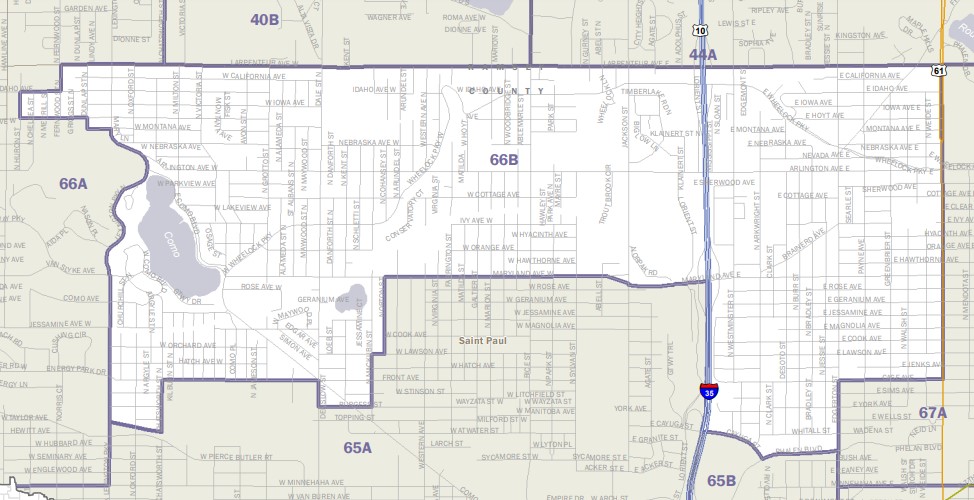

MDPI Mceclip1 . MN HD 66B Republican Precinct Caucuses Start At 7 Pm February 3rd 2026 Hd 66b Map Without Precincts . The Governors Part Two Familiar Dot 2026 Map But Watch Post LA 2023 Gov Party Control . The Caucasus Geography Caucasus 2020 De Facto States Map 1024x913 . Introducing The 2026 House Interactive Map 270toWin 2026 Election Incumbent Party
Primaries And Caucuses Full . Map Of The Caucasus After The Peace Of Nisibis C 300 CE World 18289 . Trump Wins Iowa Caucuses DeSantis Finishes Second Ahead Of Haley CNN Iowa Caucus 2024 Map 0116 . Primaries And Caucuses Full . Us Map Primaries Caucuses The ELLIS Insight Us Map Primaries Caucuses

Wenches Of Iowa Media. How Caucuses Vs Primaries Can Lead To Different Results MCI Maps 2020 Primary Or Caucus System 1024x791 . Caucasus Map Central Asia Political Map Of The Caucasus And Central Asia 2000 . Introducing The 2026 Senate Interactive Map 270toWin Preliminary 2026 Senate Outlook . US Election 2020 Why Caucuses Are Important For Primary Map Of Usa Showing Election 2020 Caucus 700x595


Carver County Republican Party 2026 Elections Uayud Caus Imgetp . Introducing The 2026 Senate Interactive Map 270toWin Senate Incumbent . 2026 House Map Prediction January 2025 YouTube . 2026 Senate Sabato S Crystal Ball Map4 600 . 2026 United States Elections Wikipedia 600px 2026 United States House Of Elections Retirements Or Losses Of Map.svg


All Eyes On NC S 2026 US Senate Race Image . 2026 Midterms Information 2026 United States Senate Elections Retirements Map.svg . Voting Maps President Senate And House Results In Texas US Thumbnail. Is There A General Election In 2026 Image To U Blank 2026 Senate Map . Hillary Clinton 2024 Electoral Map Full


.png/350px-2026_US_House_map_(Zypherism).png)
Decoding The Caucasus A Region Mapped . Map Of The Caucasus According To Call Of Duty Modern Warfare I II Map Of The Caucasus According To Call Of Duty Modern V0 . FIRST Look At The 2026 Senate Map AND Election Predictions YouTube . 2026 United States Elections Former Arhet 350px 2026 US House Map (Zypherism) . Electoral Vote Com 2026 Map