Discover the captivating world of war games a thriving genre that blends strategy history and future conflicts War games offer a unique immersive experience for players across the United States exploring tactical challenges and engaging narratives These games often simulate real or fictional military scenarios providing both entertainment and a platform for critical thinking From grand strategy epics to intense real time tactics war games are trending now as players seek deep engaging experiences that test their mental prowess and planning abilities Many titles focus on historical accuracy while others delve into speculative fiction creating diverse landscapes for every type of gamer Whether you enjoy commanding vast armies or managing detailed logistics there is a war game designed to ignite your strategic mind and challenge your decision making skills.
War games represent a fascinating genre where players engage in strategic and tactical combat simulations. These games, popular in the United States, allow individuals to command armies, manage resources, and execute complex battle plans. They range from historically accurate recreations to futuristic sci-fi conflicts. People play these games to challenge their minds, explore historical events, and enjoy competitive or cooperative play. The objective is often to achieve victory through superior strategy and intelligent decision-making, offering a deeply rewarding experience to players.
What is a War Game Exploring the Battlefield Experience
A war game typically involves simulating armed conflict through various mediums. This can include video games, tabletop board games, or even live action exercises. These simulations immerse players in strategic scenarios. They often demand careful planning and resource management. Different war games focus on specific historical periods or fictional universes. Many American players appreciate the depth and replayability these games offer them. Each war game presents a unique set of challenges.
The Thrill of Strategy Why Americans Love War Games
Americans are drawn to war games for their intellectual stimulation and competitive nature. These games provide a platform for developing strategic thinking and problem-solving skills. Players enjoy the challenge of outsmarting opponents or overcoming difficult historical odds. The immersion into a detailed conflict zone is very appealing. Many find satisfaction in mastering complex game mechanics. It offers a unique blend of entertainment and mental exercise.
Beyond Entertainment The Real World Impact of War Gaming
Beyond pure entertainment, war games offer significant educational and practical benefits. They can teach players about history geography and military tactics effectively. Some professional war games are even used by military organizations for training and analysis. These tools help participants understand complex operational challenges. They foster critical thinking in high-pressure simulated environments. War games provide valuable insights into decision-making processes.
Popular War Games in the USA Today
The US market sees consistent popularity for various war game subgenres. Real time strategy RTS games like StarCraft remain favorites. Grand strategy titles such as Europa Universalis offer deep historical campaigns. Turn based tactical games provide slower paced cerebral challenges. Board game adaptations also maintain a dedicated following. New independent titles frequently push innovation in the genre. This diversity ensures there is a war game for every taste.
War Game Mechanics A Quick Guide
War games feature diverse mechanics from turn based systems to real time action. Understanding these elements enhances gameplay and strategic depth for players. Here is a brief overview of common war game mechanics.
| Aspect | Description about a war game |
| Gameplay Style | Turn based strategy, Real time strategy, Tactical simulation |
| Platforms | PC, Console, Mobile, Tabletop board games |
| Key Features | Resource management, Unit commanding, Map control, Diplomacy, Research trees |
| Themes | Historical, Sci-fi, Fantasy, Modern warfare scenarios |
| Player Count | Single player campaigns, Multiplayer online, Local multiplayer |
What Others Are Asking
What is a war game example
A classic war game example is 'Company of Heroes,' a real-time strategy game set during World War II. Players command squads of soldiers and vehicles, capturing strategic points and engaging in tactical combat. Other examples include 'Civilization' for grand strategy or 'Hearts of Iron' for deep historical simulation. These games test your ability to plan and adapt effectively.
What is the purpose of war gaming
The primary purpose of war gaming is to simulate conflict scenarios for strategic analysis, training, and entertainment. It allows players or participants to explore potential outcomes of decisions, understand complex systems, and develop critical thinking skills. For entertainment, it offers a challenging and immersive experience. For professional use, it helps evaluate strategies.
What is the difference between war gaming and simulation
War gaming specifically involves competitive play with defined objectives and opposing forces, often human-driven decisions. Simulation, while providing realistic models, can be broader, focusing on accurately replicating a system's behavior without necessarily involving adversarial human players or a win/loss condition. War gaming is a type of simulation, but not all simulations are war games.
How do you play a war game
Playing a war game typically involves understanding its rules, objectives, and available units or resources. You make strategic decisions like troop movement, resource allocation, and combat engagements, often in turns or real-time. The goal is usually to achieve victory conditions, such as conquering territory or defeating an opponent. Learning the interface and mechanics is key.
What are the benefits of war gaming
War gaming offers numerous benefits including enhanced critical thinking, problem-solving abilities, and decision-making skills under pressure. It also fosters an understanding of historical contexts and strategic principles. For professional applications, it can improve teamwork and communication. For individuals, it provides engaging entertainment and intellectual stimulation. It truly is a beneficial pastime.
FAQ All About Your War Game Experience
Who plays war games
Many types of people play war games, from casual gamers seeking entertainment to military professionals using them for training. Enthusiasts of history, strategy, and complex problem-solving are often drawn to the genre. The community is diverse, spanning various age groups and backgrounds. Anyone who enjoys a good mental challenge can find a war game they like.
What makes a war game good
A good war game features deep strategic depth, balanced mechanics, and engaging scenarios. Excellent artificial intelligence, replayability, and clear objectives also contribute. Historical accuracy or a compelling fictional narrative significantly enhance the experience. Ultimately, it should provide challenging decisions and a sense of accomplishment. A well-designed user interface also helps.
Why are war games popular
War games are popular because they offer intellectual challenge, immersive storytelling, and a sense of mastery. They allow players to explore strategic thinking in a consequence-free environment. The thrill of commanding armies and executing clever tactics is highly appealing. Many find the historical or futuristic settings deeply fascinating. They provide a unique blend of fun and learning.
How do war games teach strategy
War games teach strategy by forcing players to make complex decisions with limited resources and anticipate opponent actions. They emphasize planning, adaptation, and understanding cause-and-effect relationships. Players learn to analyze situations, prioritize objectives, and manage risks. The iterative nature of gameplay allows for continuous learning and refinement of strategic skills. Practice leads to mastery.
Summary of Key Points about a War Game
War games offer a rich and varied experience for players in the United States and globally. They combine strategic thinking with historical or fictional narratives, appealing to a wide audience. These games are not only entertaining but also serve as powerful tools for developing critical skills. From intense tactical combat to grand strategic planning, the genre continues to evolve. Engaging with war games provides a unique blend of challenge and intellectual reward for all who participate. Discover your next great strategic adventure.
Related games- Roblox Crossbow ID: Your Guide to Virtual Archery Fun in 2026!
- NFL Thursday Night Football Where To Watch In 2026
- Roblox Invisibility Cloak Real or Myth Uncover Secrets
Engaging strategic gameplay, Historical and futuristic themes, Critical thinking development, Diverse game mechanics, Popular across the USA, Deep immersive narratives, Tactical challenge for players.
What Is The Next God Of War Game Kh M Ph Th Ng Tin M I Nh T V Series When Is The Skate Early Access Release Date GamesRadar What A Legend APK 2026 Safety Risks Legal Facts App TN Last War Survival Game Mod Apk 2026 Safety Guide 1024x683
War Game Movie Review Film Summary Review War Game Jpg.webpTOP 30 BRUTALLY REALISTIC War Games With BIG OPEN BATTLES Coming In War Game 2024 IMDb V1 QL75 UY133 TOP 10 NEW Upcoming Games Of 2026 Beyond YouTube
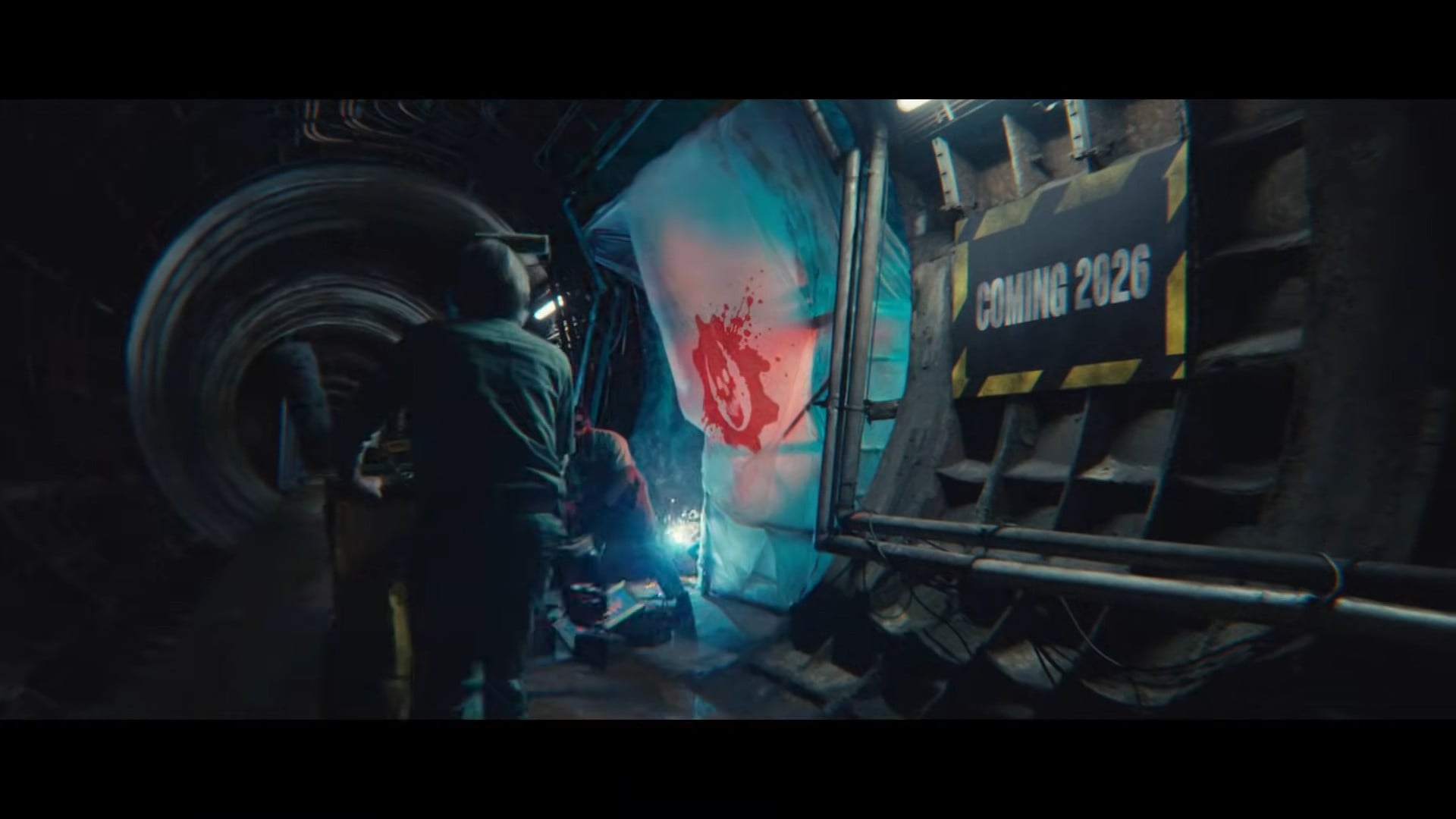
Microsoft Has Confirmed Gears Of War E Day For 2026 IG News Microsoft Has Confirmed Gears Of War E Day For 2026 Strategy And Wargaming News 7 December 2025 The Future Of Total War Top 10 Wargames You NEED To Wishlist For 2026 2 5 Best Upcoming Strategy Games In 2026 And Beyond The New Golden Age 14 1 Heads Up Chooms A Cyberpunk Card Game Is On The Way In 2026 GamesRadar
TOP 25 WAR GAMES With Massive Open World Nuclear Battles Coming In 2025 30 Investment Strategy Ai War 2026 Respawn And XCOM Veterans New Strategy Game Star Wars Zero Company Les Jeux Les Plus Attendus De 2026 IG News
War Machine Starring Alan Ritchson Is Coming To Netflix In March 2026 War Machine Netflix March 2026 Release God Of War Ragnarok Melhores Builds De Atreus Lancamentos Games 2026.webp25 INSANE War Games With Next Gen Realism Coming In 2025 2026 YouTube Star Wars Zero Company Turn Based Tactical Game Planned For 2026 1163206 Star Wars Zero Company Un Jeu Tactique Au Tour Par Tour Prevu Pour 2026
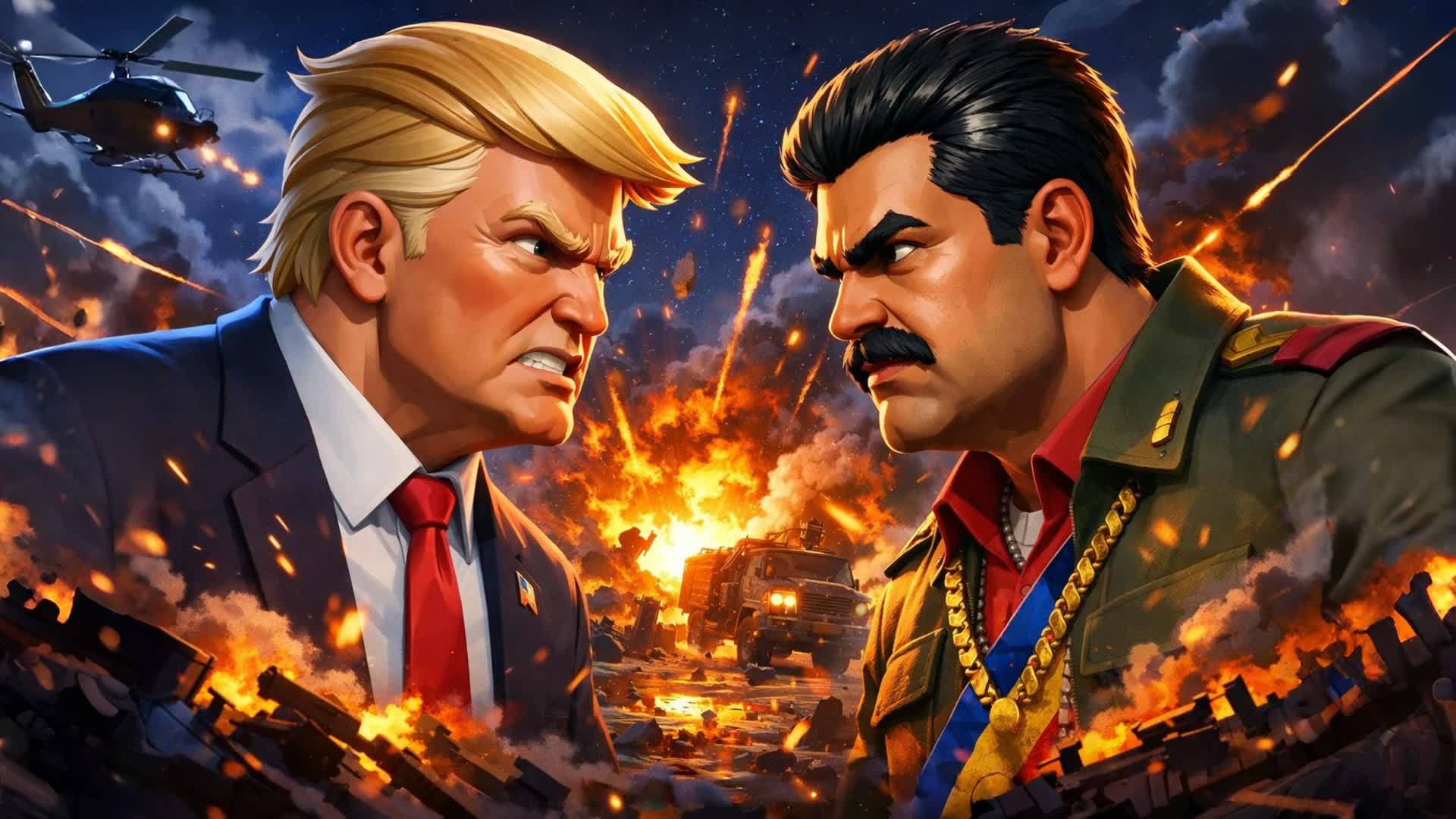
WORLD WAR 2026 TRUMP VS MADURO 6673 9715 3811 By Maphits Fortnite Landscape Comp War Thunder Line Of Contact Update Bringt Terminator Panzer Xgp 2026 01.webpGears Of War E Day Confirmed For 2026 In New Xbox Game Pass Ad Pure Xbox Gears Of War E Day Confirmed For 2026 In New Xbox Game Pass Ad1.large TOP 7 Upcoming FPS Games Of 2026 Tactical Horror Realistic
BEST UPCOMING Military War Games 2024 2025 PS5 PS4 PC Xbox One TOP 25 ULTRA REALISTIC War Games With EPIC BATTLES Coming In 2025 And TOP 15 MOST EPIC World War 2 Games With LEGENDARY BATTLES Coming Out In Systemic War Is A Real Time Grand Strategy Game Set In 640865
Creative Assembly Confirms That A New Total War Game Will Be Revealed 1920 80 TOP 21 NEW Upcoming Games Of 2026 YouTube New BEST UPCOMING Military War Games 2025 2026 YouTube War Machine 2026 Movie Trailer Alan Ritchson Fights An Alien Robot War Machine 2026 Movie Poster 691x1024
Star Wars Zero Company Clone Wars Game To Launch In 2026 From EA Star Wars Zero Company Gears Of War E Day Everything We Know About The Upcoming Shooter 14 INSANE Upcoming War Games Of 2025 2026 You NEED To See YouTube Top 20 NEW Upcoming World War 2 Games Of 2025 2026 YouTube